property
Zoning Reforms Reshape Tallahassee's 2026 Home Buying Landscape
Zoning reforms, infrastructure investment, and a wave of development approvals are redrawing the map of opportunity for Tallahassee homebuyers in 2026.
How we reported this
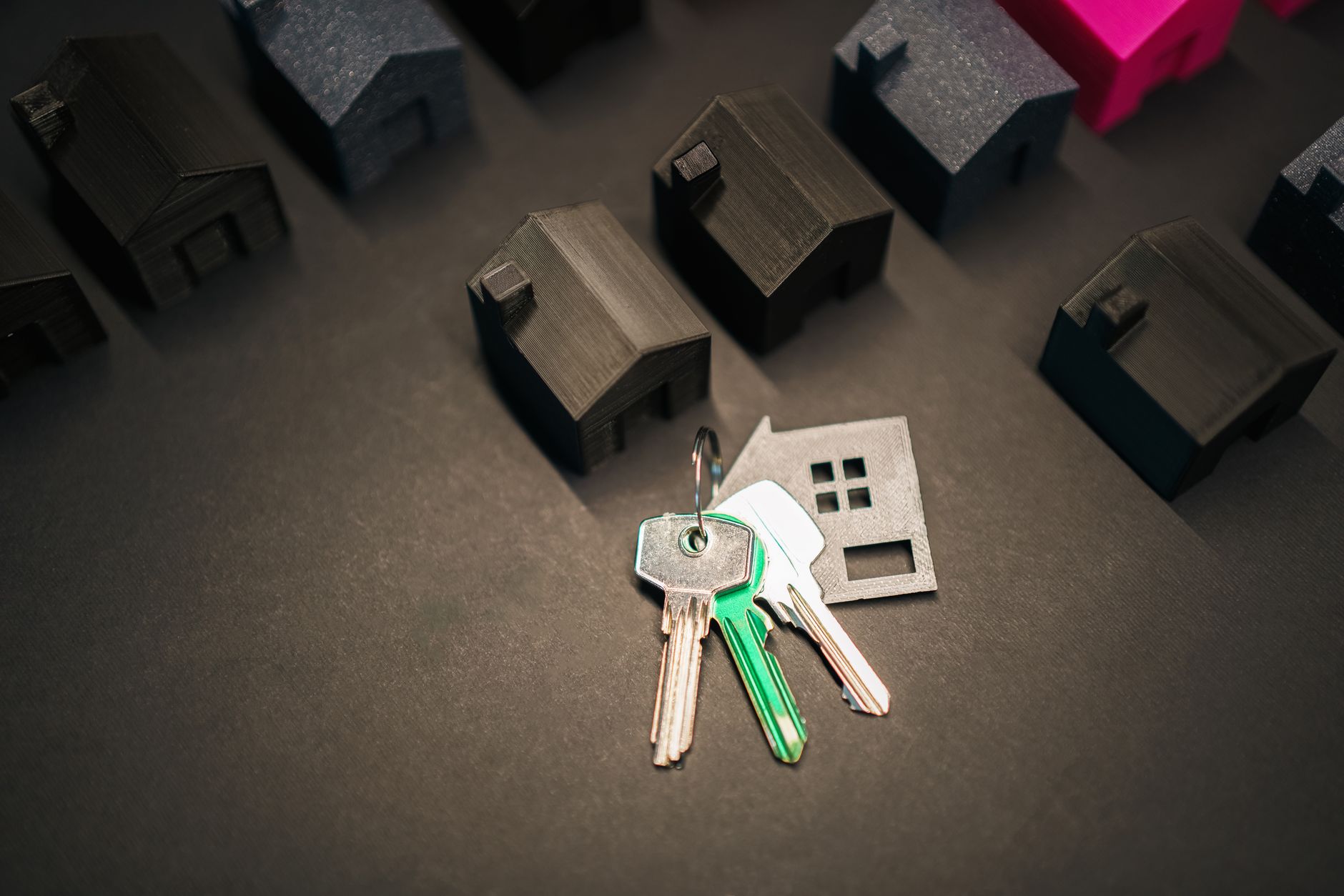
Tallahassee's City Commission has been quietly rewriting the rules of residential development over the past eighteen months, and buyers paying attention to those decisions are finding genuine advantage in neighborhoods that were overlooked just a few years ago. A cluster of zoning amendments targeting density corridors along Mahan Drive and the Capital Circle Northeast have made mixed-use and infill projects easier to approve, shifting demand patterns in ways that are still working through the market.
The timing matters for anyone shopping for a home this summer. Leon County's Comprehensive Plan update, advanced through public hearings earlier this year, identified several priority growth zones where public infrastructure dollars, road widening, stormwater upgrades, utility extensions, are now being directed. In practical terms, that means neighborhoods sitting adjacent to those zones are attracting builder interest at a pace not seen since the pre-2008 expansion cycle. Buyers who move before that construction activity matures tend to capture appreciation that later buyers simply pay for.
The Neighborhoods Where Policy Is Doing the Work
Frenchtown, the historic northwest Tallahassee community bounded roughly by Tennessee Street and Brevard Street, has been the subject of sustained redevelopment attention through the Frenchtown Renaissance Redevelopment Plan, a city-backed framework that has channeled Community Redevelopment Agency funding toward streetscape improvements and housing rehabilitation. That sustained public commitment is pulling private investment behind it. Smaller renovated bungalows and newly constructed infill homes are moving faster in this corridor than they did two years ago, and the neighborhood's walkability to Cascades Park and the downtown core continues to attract younger buyers priced out of Midtown.
Southeast Tallahassee, particularly the area around Apalachee Parkway east toward the intersection with Capital Circle Southeast, is the other zone drawing serious buyer attention. The Florida Department of Transportation's widening work on portions of Capital Circle has improved commute connectivity, and the City's recent approval of several mixed-use parcels in the vicinity signals that retail and service infrastructure will follow. Buyers in the established single-family streets off Miccosukee Road, including portions of the Killearn Estates corridor, are benefiting from that spillover interest without yet paying Killearn Acres prices.
The Leon County Property Appraiser's office tracks sales activity across these corridors, and while the office's most recent published data predates some of the current commission decisions, the trend lines in assessed value adjustments for northeast and northwest Leon County have been moving upward in consecutive cycles. The Tallahassee Board of Realtors has noted publicly that inventory constraints remain a defining feature of the local market in 2026, which amplifies the price effect of any new planning decision that signals future desirability.
What Buyers Should Watch Before Making an Offer
The practical playbook for buyers right now involves two steps that most agents will not spell out unless asked directly. First, check the City of Tallahassee's Growth Management Department agenda archives, commission approvals for rezonings and variances are public record, and a cluster of approvals in any given sector is a reliable leading indicator of builder confidence. Second, cross-reference those approvals against Leon County's Capital Improvements Program, the five-year schedule of public works spending that the county updates annually. Neighborhoods where both signals align, private rezonings and public infrastructure commitment, are the strongest candidates for near-term appreciation.
Florida State University's continued enrollment and the steady employment base at state government agencies on South Monroe Street keep Tallahassee's demand floor relatively stable compared to smaller Florida markets. That stability means policy-driven upside in targeted neighborhoods tends to be durable rather than speculative. Buyers who work with agents familiar with the planning calendar, and who are willing to look at transitional blocks in Frenchtown or the Capital Circle SE growth corridor rather than only the established Midtown and Northeast Tallahassee staples, are best positioned heading into the second half of 2026.
This article is general information only and is not personal financial or investment advice. Consider your own circumstances and seek licensed professional advice before making financial decisions.